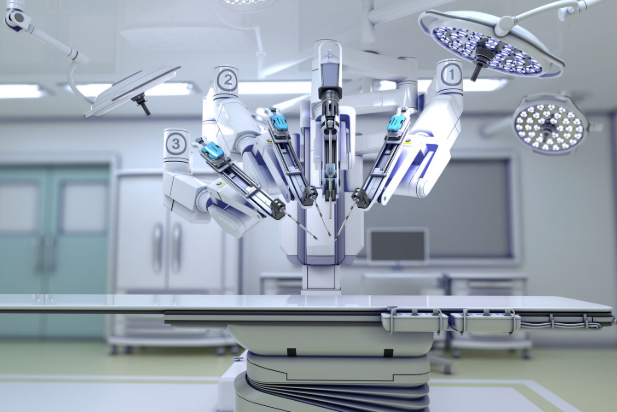
Robotics in surgery represents a significant advancement in medical technology. By employing articulated robotic arms, surgeons can achieve enhanced precision in complex procedures, leading to reduced tissue damage and quicker recovery times. However, this innovation also introduces challenges, including high costs and the necessity for specialized training. As the field progresses, understanding both the benefits and limitations of robotic systems becomes crucial for future surgical practices. What implications might these developments have on healthcare accessibility and patient outcomes?
Advantages of Robotic Surgery
What advantages does robotic surgery offer compared to traditional surgical methods?
Robotic surgery employs precision techniques that enhance the surgeon’s ability to perform complex procedures with greater accuracy.
This advanced approach minimizes tissue damage, reduces recovery time, and potentially leads to improved patient outcomes.
Consequently, patients may experience less postoperative pain and shorter hospital stays, fostering a quicker return to normal activities and greater autonomy.
Types of Robotic Surgical Systems
Robotic surgical systems represent a significant advancement in medical technology, offering a variety of platforms to facilitate minimally invasive procedures.
These systems typically utilize articulated robotic arms, enhancing surgical precision and dexterity. Various configurations exist, including single-port and multi-arm systems, each designed to optimize functionality and adaptability for different surgical specialties.
This ensures that surgeons can execute complex tasks with increased accuracy and control.
Challenges and Considerations
Despite the advancements offered by robotic surgical systems, several challenges and considerations must be addressed to ensure their effective implementation in clinical settings.
Issues such as the high cost of equipment, the need for specialized training, and potential mechanical failures can impact surgical precision and patient safety.
Moreover, ethical concerns regarding the extent of automation in surgery warrant careful examination to maintain the quality of care.
See also: Open Source Software: Pros and Cons
Future Trends in Robotic Surgery
As advancements in technology continue to evolve, the future of robotic surgery is poised to transform surgical practices significantly.
AI integration will enhance decision-making processes, optimizing outcomes through real-time data analysis.
Furthermore, the trend towards minimally invasive techniques will reduce patient recovery times and surgical risks.
These developments promise to revolutionize patient care, offering greater precision and autonomy to surgeons in complex procedures.
Conclusion
In conclusion, the integration of robotics in surgery stands at the forefront of medical innovation, offering unparalleled precision and significantly improved patient outcomes. However, as this transformative technology advances, it is imperative to address the critical challenges of cost and training. The future of surgical practices hinges on balancing these obstacles with the promise of enhanced care, reminding us that while technology can elevate healing, it is the human touch that ultimately guides its purpose.